Every outfit serves a purpose. Understanding where and how you plan to wear a piece helps guide better choices. Fabric, cut, and structure determine whether an outfit works for a specific setting. When these elements align, dressing feels easier and more intentional.
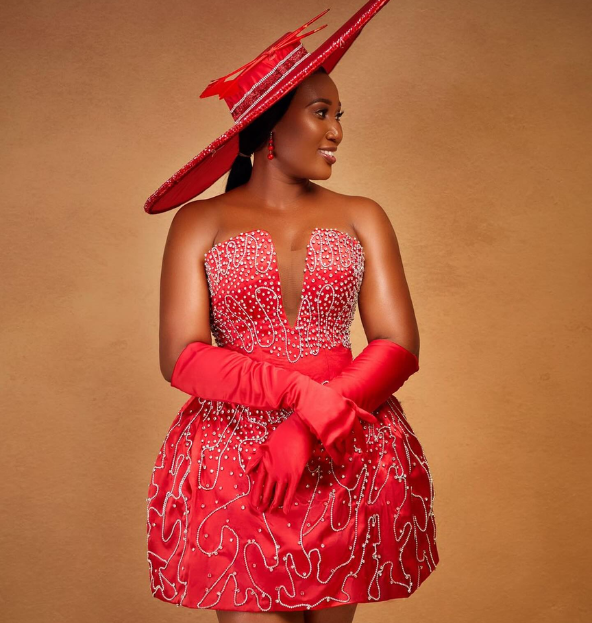
For events, structure plays a major role. Defined silhouettes, clean lines, and supportive fabrics create a formal appearance. These choices help garments hold shape and photograph well. Details like lining, closures, and finishing also matter more in formal wear.
Color selection influences impact. Deeper tones and neutral shades suit evening events and formal gatherings. Lighter colors and softer prints work better for daytime and casual settings. Choosing colors based on occasion improves cohesion and presence.
Everyday wear requires a different approach. Comfort, breathability, and ease of movement matter most. Ready to wear pieces with thoughtful cuts offer flexibility without losing style. Relaxed silhouettes paired with good fit support daily routines and long hours.
Fabric weight also affects performance. Heavier fabrics provide structure for formal wear. Lighter fabrics support airflow and movement for casual use. Understanding this difference helps avoid discomfort and poor wear experience.
Building a wardrobe with both event and everyday needs in mind creates balance. Each piece serves a clear role. This reduces impulse buying and improves outfit planning. Dressing becomes purposeful, efficient, and aligned with your lifestyle.